Call for Book Chapters: Livestock Mobility, Borders, and (In)security in Southern Africa
Call for Book Chapters
Proposed Title: Livestock Mobility, Borders, and (In)security in Southern Africa
Editors:
- Nicholas Nyachega – The Ohio State University
- Phuthego Phuthego Molosiwa – University of the Free State
- Sibanengi Ncube – University of Cambridge; Walter Sisulu University
Overview and Rationale:
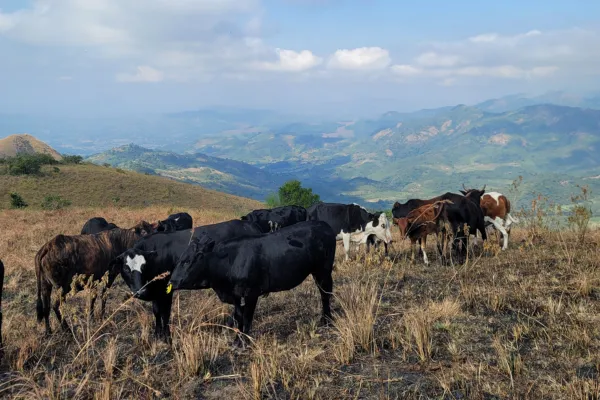
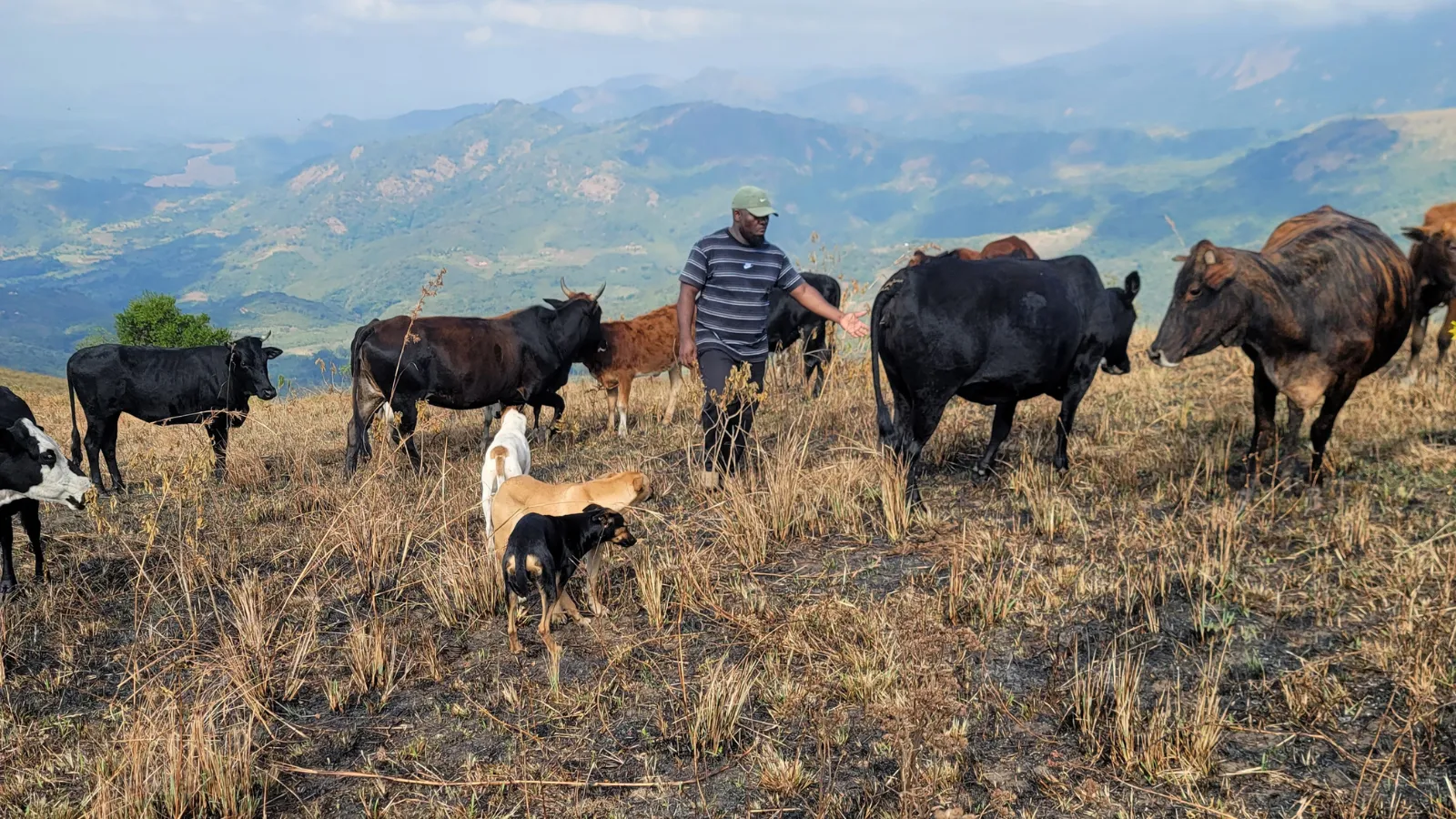
Livestock has long occupied a central place in the social, cultural, political, and economic life of Southern Africa. Across communities in Zimbabwe, Botswana, South Africa, Mozambique, Lesotho, Eswatini, and Namibia, livestock, including cattle, goats, and sheep, signify wealth, identity, authority, and social reproduction. Across time and space, livestock has remained deeply entangled with questions of power, mobility, livelihoods, and security, shaping precolonial cattle raiding and territorial conflict, colonial livestock regulation and veterinary regimes, and contemporary forms of livestock mobility, cross-border crimes, diseases and pastoral conflict amid significant climate change. In recent decades, Southern Africa has witnessed an intensification of cross-border livestock mobility and livestock rustling shaped by commercialization and poverty leading to organized crime syndicates across porous borders. In addition, fragile governance, and shifting veterinary and bio‑security regimes have also shaped livestock mobility patterns. Contemporary developments – including commissions of inquiry, bi‑national engagements, the rise of vigilante formations, and growing diplomatic tensions between neighboring Southern African states – have underscored the scale and complexity of livestock‑related security and insecurity in borderlands, and across different ecological regions within countries. In regions where cross-border livestock movements are rampant, disease‑control systems are bypassed, and rural livelihoods get undermined. In some cases, when crime is involved, these movements erode trust between border communities and the state, threatening regional trade and bio‑security.
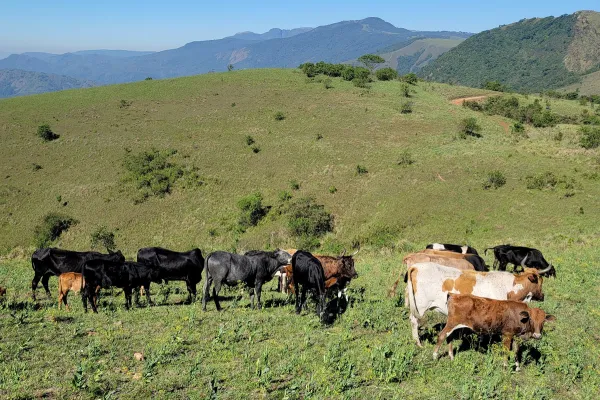
Despite the historical depth and contemporary significance of livestock mobilities in Southern Africa, they remain under‑researched. Existing scholarships often treat livestock mobility involving theft as a narrow policing or security problem while other case studies privilege contemporary state-centered technocratic approaches. This volume will respond to these gaps by bringing together interdisciplinary case studies that explore livestock mobilities within long‑term regional processes of border politics, state making, rural livelihoods, human migration, and postcolonial governance.
The edited volume aims to offer a Southern Africa‑wide, multidisciplinary, and comparative case studies that integrate historical and contemporary livestock mobilities, underscoring micro‑level experiences, community perspectives, national and regional governance frameworks.
Thematic Areas:
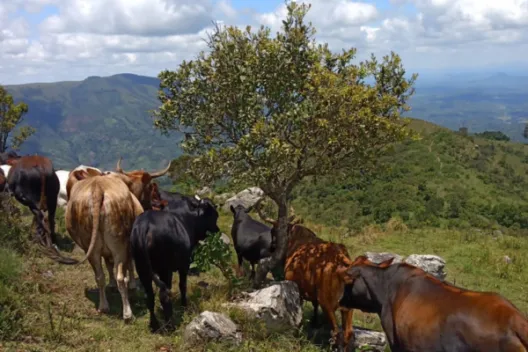
We invite theoretically grounded and empirically rich chapters from scholars of Southern Africa working across academic disciplines. The chapters should demonstrate critical and innovative use of oral histories, ethnographic research, archival research, as well as comparative and transnational analysis. Contributions may address (but are not limited to) the following themes:
- Historical Genealogies of Livestock Mobility in Southern Africa
- Methodological and Ethical Reflections on Researching Livestock Mobilities
- Borderlands, Mobility, and the Political Economy of Livestock
- Livestock, Mobility and Rural Livelihoods.
- Syndicates, Criminal Networks, and Organized Transborder Rustling
- State Responses, Border Regimes, and Security Governance
- Vigilantism, Community Policing, and Everyday Security Practices
- Gendered Dimensions of Livestock Rustling and Insecurity
- Comparative Border Case Studies in Southern Africa
- Rustling, Diplomacy, and Interstate Relations
- Community Resilience, Coping Mechanisms, and Peacebuilding
- Policy Pathways and Future Directions
Submission Guidelines:
Abstracts/Chapter Proposals
- Length: 300–500 words
- Should include Author bio (100–150 words) with affiliation and contact details
Full Chapters
- Length: 6,000–8,000 words (including references)
- Originality: Chapters must be original, unpublished, and not under consideration elsewhere.
- Referencing style: To be confirmed upon acceptance.
Projected Timeline
- Abstract submission deadline: 30 May 2026
- Notification of acceptance: 30 July 2026
- Full chapter submission: 30 March 2027
- Peer review feedback: June 2027
- Final revised chapters: August 2027
Submissions and Enquiries
Abstracts and enquiries should be sent to livestockmobilities@gmail.com