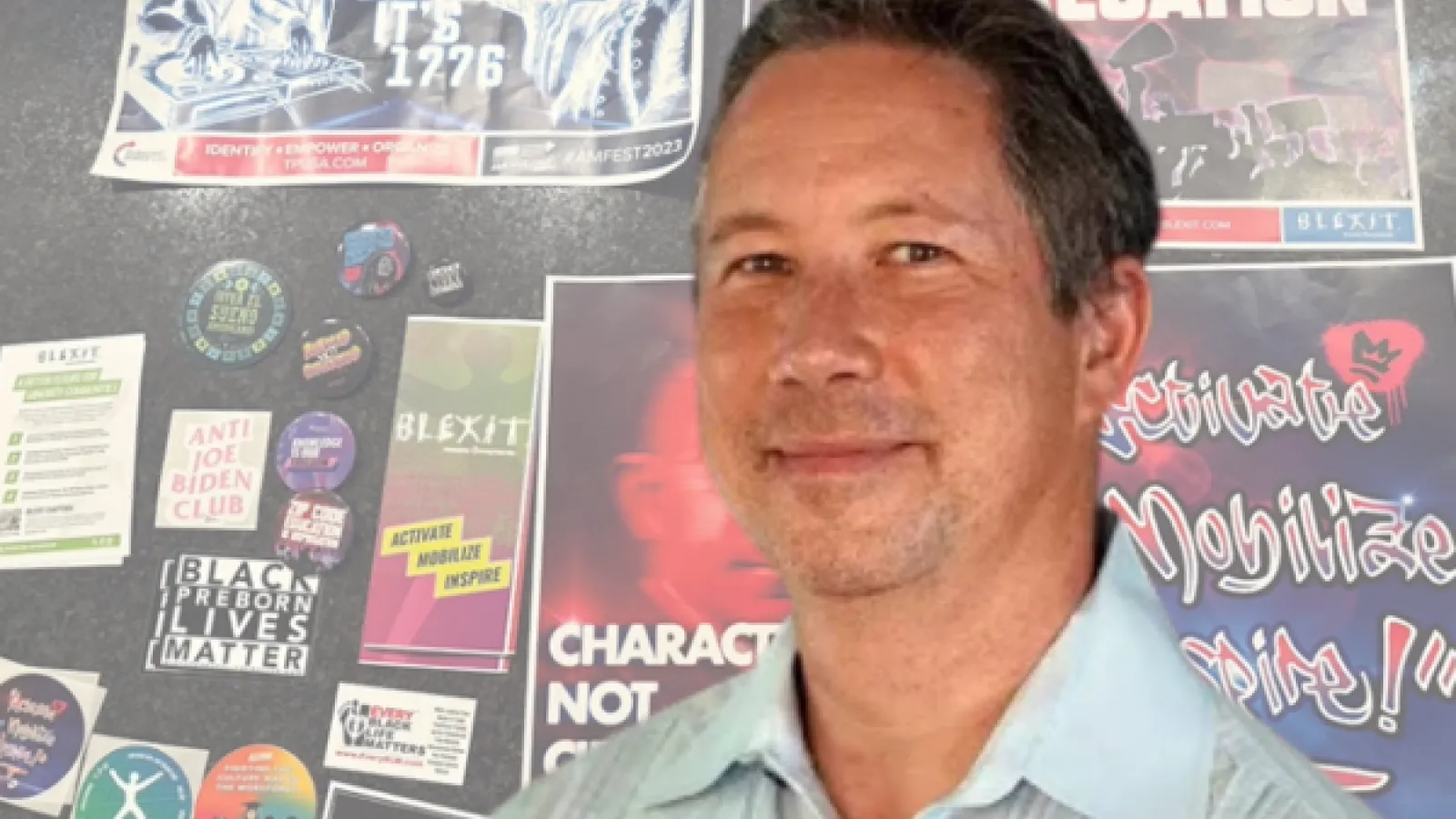
Across the country, scholars and practitioners are confronting the expanding reach of right-wing and authoritarian power, a force gaining ground even as much of its policy agenda remains broadly unpopular. Its growth is especially striking in places once seen as unlikely: “Filipinos for Trump” rallies in Los Angeles, new Black conservative civic centers on Chicago’s South Side, and libertarian-funded trainings for Latino conservatives. These developments appear paradoxical at a moment when the GOP has moved sharply rightward on immigration, policing, affirmative action, and reproductive freedom, challenging long-standing assumptions about race and partisanship.
Drawing on fieldwork at Moms for Liberty meetings, Turning Point USA gatherings, CPAC, Trump rallies, pro-life mobilizations, and multiracial conservative organizing efforts, Daniel Martinez HoSang, Professor of American Studies at Yale University, examines how right-wing networks are cultivating new constituencies and reshaping the meanings of identity, grievance, and belonging. He argues that familiar scholarly and progressive frameworks—rooted in models of European authoritarianism or mid-twentieth century U.S. extremism—no longer explain the movement’s dynamism. By situating these shifts within a landscape of institutional collapse, political dealignment, and widespread mistrust, the talk offers a revised framework for understanding the right’s growing power and previews insights from The Politics of the Multiracial Right (NYU Press, 2026), co-edited with Joseph Lowndes.
Light refreshments provided. Event flyer.
This program is organized by the South Asia Studies Initiative; the South Asia Graduate Study Association; The Humanities Institute; and the Violence, Ideology, Extremism Working (VIEW) Group of the Mershon Center for International Security Studies.