Mershon Search Lab
Searching for the Missing. Advancing Knowledge. Supporting Peace.
Overview
Across conflicts and periods of political violence, people disappear.
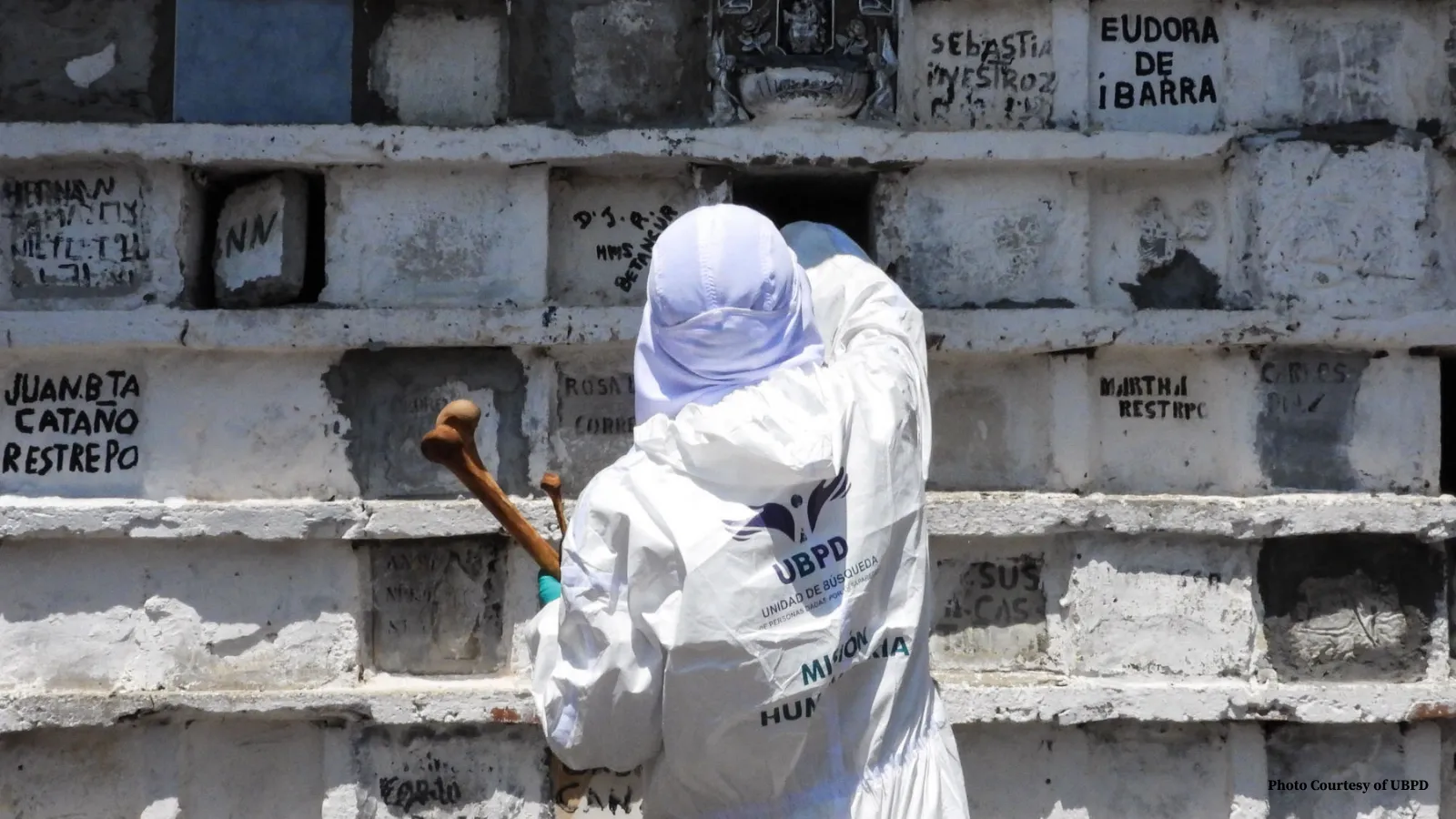
They are forcibly disappeared, detained in secret, buried without identification, lost amid displacement, or separated from their families during war and instability. For those left behind, uncertainty can endure for decades.
The search for missing persons is one of the most urgent - and most difficult - humanitarian and justice challenges in conflict-affected societies. Families seek answers. Governments and institutions face immense scientific, legal, logistical, and ethical challenges. Practitioners often work with limited resources in complex and fragile environments.
The Mershon Search Lab at The Ohio State University connects scholarship, institutional collaboration, and real-world practice to strengthen how societies search for and identify missing persons in the aftermath of armed conflict, political violence, and state repression.
Working across disciplines and alongside international partners, the Mershon Search Lab advances innovative, ethical, and evidence-informed approaches to finding the missing and supporting dignified returns to their families and is co-directed by Dr. Teri Murphy, Mershon Center Associate Director for Peacebuilding Research, and Dr. Derek Congram.
Why Search Matters
Disappearance is not only a consequence of conflict - it is an enduring form of harm.
When people go missing, families are left without answers, communities struggle with unresolved loss, and societies face obstacles to truth, accountability, and social healing. Searching for the missing involves more than recovering remains or identifying individuals. It is also about restoring dignity, rebuilding trust, supporting families, and strengthening the foundations for justice and peace.
Disappearances become visible when survivors speak up: US Vietnam veterans for their more than 1,500 POW/MIA brothers-in-arms; the Mothers and Grandmothers of the Plaza de Mayo in Argentina refusing to be silent about the thousands of abducted children and grandchildren; and families of the more than 200,000 people disappeared by the Nationalist forces during the Spanish Civil War and post-war repression. Today, Syrian and Ukrainian communities are demanding answers about their respective missing loved ones. The Colombian Missing Persons Search Unit estimates the number of missing persons at more than 136,000, but in all cases the reported figures likely underestimate the true scale of disappearances. Every context is different, but the challenges are often the same: locating the missing, identifying human remains, and helping families find answers.
Search and Peacebuilding
The search for the missing is also part of building peace.
Peace does not simply mean the absence of armed violence. Societies emerging from conflict and political violence must also confront the unresolved harms that violence has left behind. When people remain missing, families and communities can remain suspended between hope and grief, while unanswered questions about what happened can continue to undermine trust and impede efforts to build peaceful societies.
Searching for the missing can contribute to these broader processes. It can bring families, communities, investigators, scientists, institutions, and sometimes former combatants into processes of shared inquiry. It can generate knowledge where there has been uncertainty, recognition where there has been silence, and human connection where conflict has created division. The recovery and dignified return of the dead can provide families with answers while creating space for mourning, memory, and healing.
Search can also contribute to the work of transitional justice by helping societies uncover what happened, establish truth, recognize victims, and address the legacies of violence. At the same time, transparent and ethical search processes can strengthen confidence in institutions and create opportunities for cooperation across former lines of conflict.
For the Mershon Search Lab, search is therefore not simply what happens after conflict. It is part of how societies confront the legacies of violence and build a more peaceful future.
Grounded in Colombia, Engaged Globally
The Mershon Search Lab builds on a pioneering alliance between The Ohio State University and Colombia’s Unidad de Búsqueda de Personas dadas por Desaparecidas (UBPD), one of the world’s most innovative humanitarian institutions within a transitional justice framework, dedicated to the search for persons missing in the context of armed conflict. This collaboration serves as the foundation for the Lab’s work, bringing together international expertise to address urgent challenges in the search for the missing and the dignified return of the dead to their families.
While deeply informed by our alliance with UBPD and experiences in Colombia, the Mershon Search Lab’s work is globally relevant and adaptable. We engage with diverse contexts of conflict and mass violence, applying and refining lessons learned to support search, recovery, and return efforts in other regions of the world.
We work with our partners to address key questions in the search:
- What happens when bodies of the dead are thrown into rivers?
- How can data-driven approaches improve the effectiveness of search efforts?
- How might training programs better prepare investigators for this work?
- How can the experiential knowledge of former combatants be recognized and integrated into efforts to strengthen search practices?
- How can collaboration with families of the missing be designed to ensure transparency and strengthen confidence in processes of search, identification, and the dignified return of the dead?
- How can searching for the missing contribute to rebuilding trust, relationships, and peace in societies emerging from conflict?
- How can search contribute to transitional justice processes of truth-seeking, recognition, accountability, and reconciliation?
Explore Our Core Areas of Work
Forensic Search & Identification
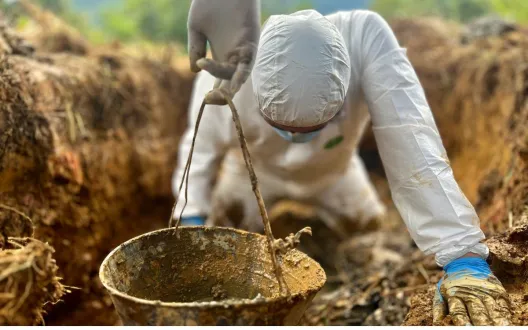
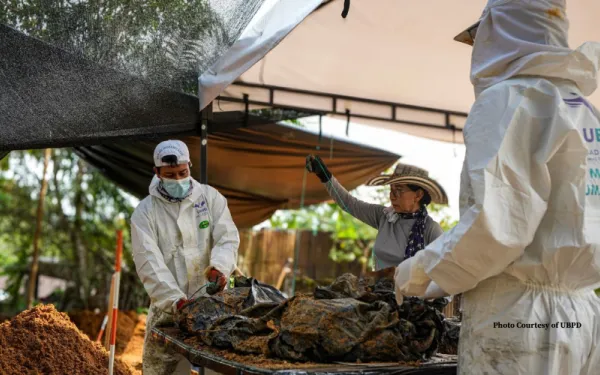
Advancing forensic and anthropological approaches to search, recovery, identification, injury interpretation, evidence preservation, and laboratory analysis in conflict-affected settings.
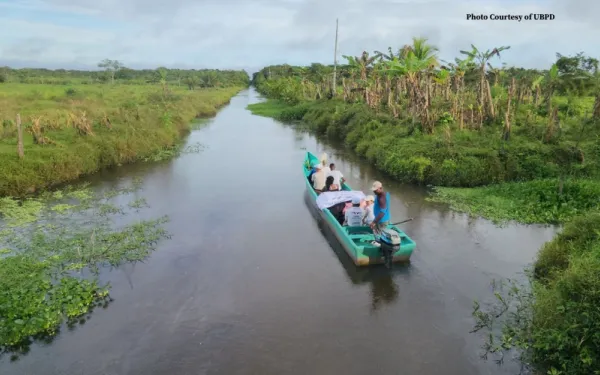
Rivers, Landscapes & GIS
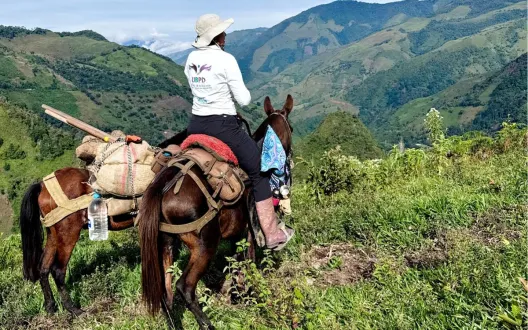
Using digital mapping, geographic information science, and environmental analysis to understand patterns of violence, territorial control, and difficult search environments - including rivers and remote landscapes.
Explore Our Core Areas of Work
Forensic Search & Identification
Advancing forensic and anthropological approaches to search, recovery, identification, injury interpretation, evidence preservation, and laboratory analysis in conflict-affected settings.
Rivers, Landscapes & GIS
Using digital mapping, geographic information science, and environmental analysis to understand patterns of violence, territorial control, and difficult search environments - including rivers and remote landscapes.
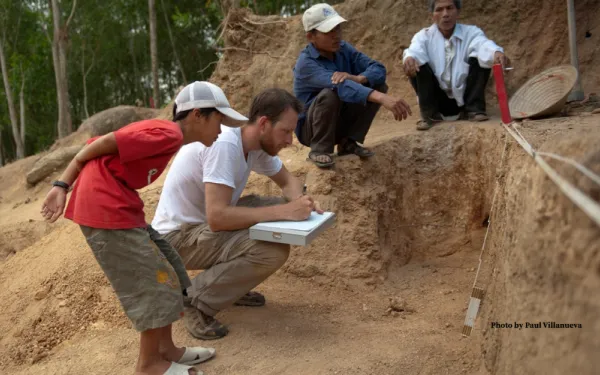
Education & Training
Preparing students and practitioners through interdisciplinary learning, applied training, mentoring, field experiences, and professional development.
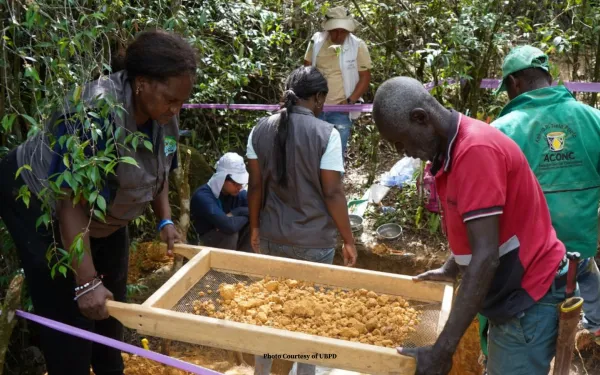
Contributors to Search
Exploring how people with firsthand knowledge of conflict - including former combatants, witnesses, and families who have searched for decades - may contribute to locating the missing, supporting truth recovery, and strengthening reconciliation processes.
Education & Training
Preparing students and practitioners through interdisciplinary learning, applied training, mentoring, field experiences, and professional development.
Contributors to Search
Exploring how people with firsthand knowledge of conflict - including former combatants, witnesses, and families who have searched for decades - may contribute to locating the missing, supporting truth recovery, and strengthening reconciliation processes.
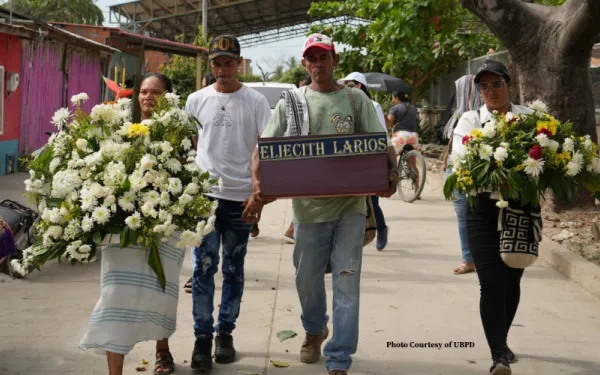
Searching, Dignity & Return
Examining the ethical, cultural, and social dimensions of the search, including dignified return, memorialization, ritual, and family-centered approaches to recovery and remembrance.
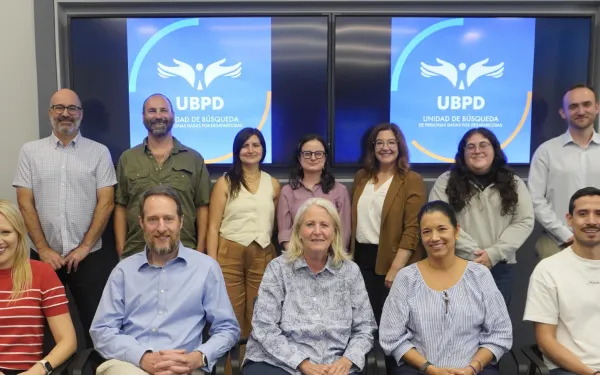
The Mershon Search Lab Team
A group of interdisciplinary researchers and faculty dedicate their time and talent to the Mershon Search Lab.
Searching, Dignity & Return
Examining the ethical, cultural, and social dimensions of the search, including dignified return, memorialization, ritual, and family-centered approaches to recovery and remembrance.
The Mershon Search Lab Team
A group of interdisciplinary researchers and faculty dedicate their time and talent to the Mershon Search Lab.
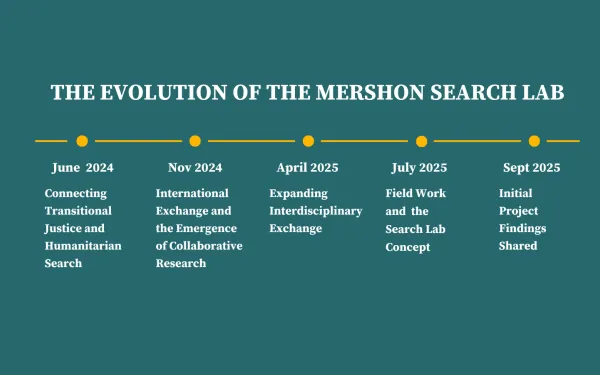
The Mershon Search Lab emerged through a sustained process of international exchange between academic researchers, forensic practitioners, and humanitarian institutions working on the search for missing and disappeared persons in conflict affected settings.
The Mershon Search Lab emerged through a sustained process of international exchange between academic researchers, forensic practitioners, and humanitarian institutions working on the search for missing and disappeared persons in conflict affected settings.